Lonely Girl: A Creative Font for Modern Craft Designs
In the world of digital and print design, the right typeface can transform a simple idea into a memorable visual story. Among the vast sea of available fonts, Lonely Girl stands out as a particularly charming and versatile option. It’s a cute, multi-styled script font that brings a unique blend of personality and elegance to any project. For designers, entrepreneurs, and crafters looking for a fresh creative asset, understanding how to leverage this font effectively is key to unlocking its full potential. This isn't just another script font; it's a tool for adding warmth, authenticity, and a handcrafted feel to your work.
The Visual Personality of Lonely Girl
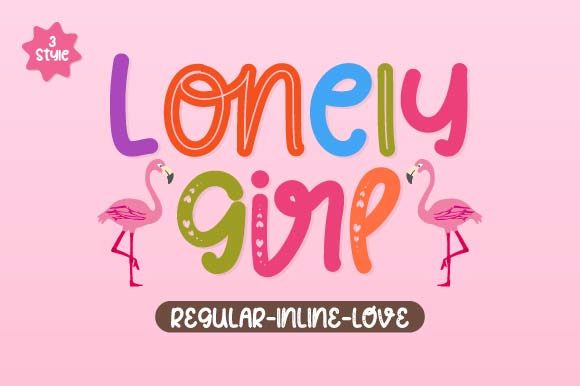
At its core, Lonely Girl is a script font that mimics the fluid, organic strokes of handwritten lettering. Its visual character is defined by a delicate balance between casual charm and refined elegance. The letterforms often feature gentle curves, subtle irregularities, and a natural flow that avoids the overly rigid or uniform look of some modern typography. This gives it an approachable, human quality that feels personal and inviting.
What makes it a multi-styled script font is its inclusion of various stylistic alternates and swashes. These are alternate versions of letters and decorative flourishes that can be accessed to customize the look of your text. This feature is crucial for creating unique logos, monograms, and headline text that feel truly bespoke. The overall appeal of the Lonely Girl typeface lies in its ability to convey emotion—whether it’s the whimsy of a children’s brand, the intimacy of a wedding invitation, or the artisanal quality of a small business logo. It’s a creative font that excels at adding a layer of sentiment and personality.
Where This Script Font Truly Shines
The versatility of Lonely Girl allows it to be applied across a wide spectrum of creative and commercial projects. Its strength lies in applications where a personal touch and visual warmth are desired. In brand identity, it’s an excellent choice for businesses that want to project approachability, creativity, and craftsmanship. Think of boutique bakeries, floral studios, lifestyle blogs, or independent consultants. Using this font in a logo design can immediately set a brand apart from competitors using generic sans serif font or serif font choices.
For packaging design, Lonely Girl can elevate the perceived value of a product. It works beautifully on labels for artisanal goods, cosmetics, or gourmet foods, suggesting a handmade, premium quality. In editorial design and publishing, it can be used sparingly for chapter titles, pull quotes, or feature headers in magazines and books to add a touch of elegance. Its use in social media graphics is particularly effective for creating engaging, shareable content that stands out in a fast-scrolling feed. For crafters and hobbyists, it’s a fantastic design asset for creating custom cards, invitations, scrapbook layouts, and DIY printables.
Practical Guidance for Implementation
While Lonely Girl is a beautiful font, successful implementation requires thoughtful consideration. First, evaluate its fit for your specific project. Ask yourself: does the personality of the font align with the message I want to convey? A whimsical script may not suit a corporate law firm, but it’s perfect for a creative agency. Always test the font in context before committing. Place it alongside your other design elements, such as your primary body text—a clean sans serif font or a classic serif font often pairs well—to check for visual harmony and contrast.
Pay close attention to readability. Script fonts like Lonely Girl are best used for headlines, logos, and short bursts of text rather than for long paragraphs. Their decorative nature can make extended reading difficult. Ensure sufficient size and contrast against the background. When using the stylistic alternates and swashes, use them purposefully. A well-placed swash can add flair, but overuse can clutter a design and reduce legibility.
Finally, consider the practicalities of licensing. If you are using Lonely Girl for a commercial project—such as a client’s logo, merchandise for sale, or a monetized website—you must ensure you have the appropriate commercial font license. Review the font package to understand what styles are included (e.g., regular, italic, bold) and how many computers or users the license covers. Investing in a proper license for a premium font not only ensures legal compliance but also often provides access to better support and updates.
Font Pairing and Final Thoughts
One of the most important aspects of using a distinctive display font like Lonely Girl is mastering font pairing. The goal is to create a complementary relationship that enhances both readability and visual interest. A common and effective strategy is to pair a expressive script with a more neutral, geometric sans serif font for body text. This creates a clear visual hierarchy, where the script captures attention and the sans serif delivers information cleanly. Alternatively, pairing it with a traditional, understated serif font can create a more classic, sophisticated look.
In conclusion, Lonely Girl is far more than a cute aesthetic. It is a thoughtfully designed script font that serves as a powerful tool for visual communication. By understanding its personality, applying it to suitable projects, and implementing it with care for readability and pairing, you can harness its charm to make your designs more engaging, personal, and professional. Whether you’re shaping a brand identity, designing packaging, or creating heartfelt personal projects, this font offers a beautiful way to add a signature touch that resonates with your audience.