Why Catherine Is a Favorite Script Font for Designers
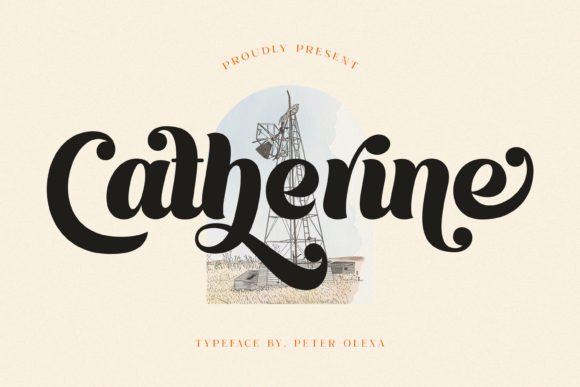
Finding a script font that doesn't sacrifice legibility for flair is a common challenge. You need something with personality, but it can't be a visual wreck on screen or in print. Catherine strikes that balance. It’s a bold yet graceful script that carries a sense of confidence without tipping into illegibility. The flowing lines and dramatic flourishes give it a sophisticated edge, while the balanced letterforms ensure it remains functional. This isn't just another decorative typeface; it's a workhorse for projects demanding both elegance and clarity.
The Visual Character: Where Boldness Meets Grace
At first glance, Catherine feels immediate. Its strokes have a confident weight, providing presence on the page or screen. Look closer, and you’ll notice the precision in its curves and connections. The letters flow into one another with an organic rhythm, avoiding the clunky connections that plague many script fonts. This fluidity is key to its sophistication. The dramatic swashes on certain capital letters add a touch of flair, but they’re executed with restraint, never overwhelming the word they form.
The font’s personality is versatile. It can lean into luxury for a high-end brand, or it can feel approachable and personal for a wedding invitation or a boutique logo. The consistent x-height and thoughtful spacing contribute to its readability, even at smaller sizes. This makes Catherine a practical choice for more than just a headline. You can confidently use it for subheadings, pull quotes, or even short blocks of text where a touch of handwritten elegance is needed.
Where Catherine Truly Shines: Practical Applications
Knowing a font looks good is one thing. Knowing where to use it effectively is where the real value lies. Catherine excels in specific contexts where its strengths are amplified.
- Branding and Logo Design: For businesses in beauty, fashion, wedding services, artisanal food, or luxury goods, Catherine can form the core of a brand identity. It immediately communicates elegance and a personal touch. Pair it with a clean sans serif font for body copy to create a balanced and professional font pairing.
- Packaging and Editorial Design: On product packaging, Catherine adds a premium, handcrafted feel. Think cosmetic labels, gourmet coffee bags, or boutique candle boxes. In editorial design, it’s perfect for magazine mastheads, chapter titles in books, or stylized pull quotes that need to draw the reader’s eye.
- Digital and Social Media: A premium font like Catherine can elevate web design headers and social media graphics. It makes Instagram quotes, Pinterest pins, and website banners stand out in a crowded feed. The key is to use it at a size where its details remain clear on various screen resolutions.
- Personal and Commercial Projects: For crafters and hobbyists, Catherine is a versatile creative font for projects like custom stationery, greeting cards, and home décor prints. Entrepreneurs and small business owners can use it for logo design, business cards, and promotional materials to establish a professional yet distinct visual voice.
Making It Work: Guidance for Choosing and Using Catherine
Integrating any new typeface into your workflow requires a thoughtful approach. Here’s how to evaluate and implement Catherine effectively.
Evaluating Fit for Your Project
Before downloading, ask yourself: Does my project’s tone align with Catherine’s personality? If you’re designing for a corporate law firm, this might not be the right fit. If you’re creating for a florist, a baker, or a lifestyle brand, it’s likely a strong candidate. Consider your audience. Catherine appeals to adults who appreciate design that feels curated and personal. It speaks to a desire for authenticity over generic, mass-produced aesthetics.
Testing Font Pairings
The most successful designs using script fonts like Catherine involve thoughtful pairing. A general rule is to contrast styles. Pair Catherine with a simple, geometric sans serif font for body text. This creates a clear visual hierarchy—the script font commands attention for headlines, while the sans serif ensures comfortable reading for longer paragraphs. Avoid pairing it with another ornate or highly stylized font, as this will create visual competition and reduce clarity.
Understanding the Package
When you acquire a commercial font, review what’s included. A quality display font like Catherine often comes with multiple styles. Look for:
- Alternate Characters: Swashes, ligatures, and stylistic alternates that allow you to customize the look.
- Extended Language Support: Essential if your project targets international audiences.
- File Formats: Ensure you have the necessary formats (OTF, TTF, WOFF, WOFF2) for your design software and web projects.
Readability and Licensing Considerations
Always test Catherine at the size and in the context you plan to use it. A script font that looks stunning at 48pt on a poster may become a tangled mess at 14pt on a mobile screen. For web use, consider how it renders on different browsers and devices. Finally, ensure the license covers your intended use—whether for personal projects, a client’s website, or commercial product packaging. Respecting font licensing is a mark of professionalism and supports the designers who create these valuable design assets.
Catherine offers a compelling blend of dramatic flair and practical design. It’s a tool that, when used thoughtfully, can significantly elevate a project’s aesthetic and emotional impact. Its strength lies not just in its beautiful curves, but in its ability to communicate a clear, elegant message across a wide range of creative applications.