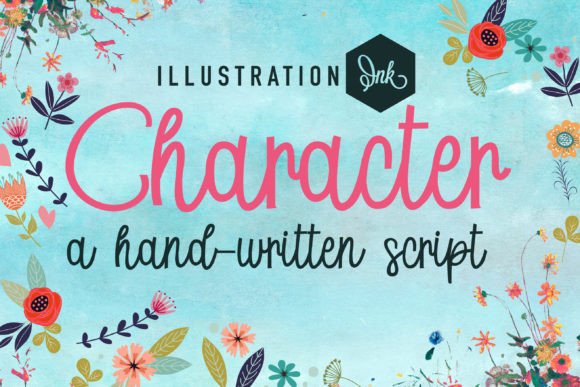
Regulation: A Handwritten Font That Writes with Heart
In the world of digital design, finding a typeface that feels genuinely personal can be a challenge. We often scroll through endless libraries of fonts, looking for that perfect balance between elegance and approachability. Regulation is an italic handwritten font that manages to hit this sweet spot with remarkable grace. It’s not just another script font; it’s a design asset that brings a distinct sense of warmth and affection to any project it touches.
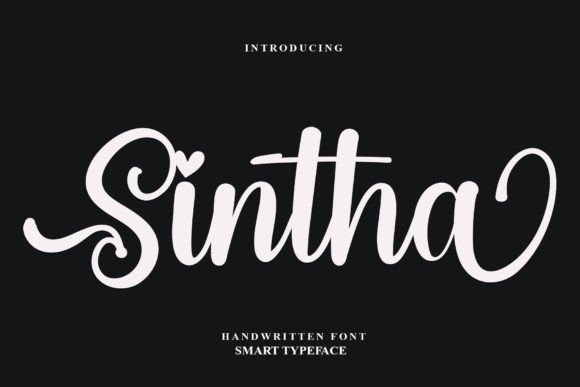
What immediately sets Regulation apart is its thoughtful detailing. The most charming feature is the subtle, heart-shaped accents on the lowercase 'i' and 'j'. This isn't a gimmick; it’s a design choice that infuses text with a gentle, loving personality. The flowing italic style gives it a natural rhythm, mimicking the elegant loops of real handwriting. This makes Regulation feel authentic and crafted, rather than rigidly digital. It’s the kind of premium font that can elevate a simple message into something heartfelt and memorable, making it a valuable tool for any creative professional's toolkit.
Where Regulation Truly Shines
Understanding a font's strengths is key to using it effectively. Regulation is a display font at its core, meaning it’s designed for impact and personality in headlines, logos, and short text blocks rather than for body copy. Its romantic and whimsical vibe makes it a natural fit for projects centered around love, celebration, and personal connection.
For designers and entrepreneurs in the wedding industry, this script font is a perfect match. Imagine it gracing the cover of a wedding invitation suite, announcing the couple's names on a save-the-date card, or adding a personal touch to table numbers and ceremony programs. Its charm extends to other celebrations too, like anniversary party invitations, Valentine's Day promotions, or even sweet sixteen graphics.
But its application isn't limited to formal events. Small business owners, especially those in the handmade or boutique space, can use Regulation to build a distinct brand identity. A bakery could use it for its logo to convey homemade goodness. A florist might use it on product tags to add a personal, artisanal feel. For bloggers and content creators, it’s an excellent choice for creating eye-catching social media graphics, pin titles, or chapter headings in a digital e-book. It adds a layer of personality that a standard sans serif font simply can't provide.
Practical Guide to Using This Creative Font
Choosing the right font is only half the battle; using it well is what separates good design from great design. Here’s how to integrate Regulation into your projects effectively.
Pairing for Professional Polish
A handwritten font like Regulation needs a strong partner to create a balanced and professional layout. The key is contrast. Avoid pairing it with other decorative or script fonts, as this will create visual chaos. Instead, let it stand out by pairing it with a clean, simple serif font or sans serif font. A classic serif like Garamond or a modern sans serif like Montserrat can provide a stable, readable foundation for your body text, allowing Regulation’s personality to shine in headlines without overwhelming the viewer. This practice of font pairing is fundamental to achieving good visual hierarchy and readability in your editorial design or web design projects.
Evaluating Readability and Project Fit
While beautiful, Regulation is not a workhorse font for long paragraphs. Its intricate, connected letterforms can reduce legibility at small sizes or in dense blocks of text. Always test it at the intended size. Is it clear and easy to read? Use it for short, impactful phrases: a logo, a product name on packaging design, a call-to-action button, or a pull quote. Before committing, print a sample or view it on various screen sizes to ensure it holds up. This simple step is crucial for maintaining professionalism in any commercial font application.
Understanding Its Included Styles
When you invest in a premium font like Regulation, you often get more than just the basic letterforms. Check the font file for included extras. Many high-quality script fonts come with stylistic alternates, swashes, or ligatures that can give you even more creative control. These additional glyphs allow you to customize the look of specific letters, adding flourishes or simplifying connections to better suit your design. Reviewing the font’s character map is a worthwhile step that can unlock new possibilities for your logo design or branding materials.
Navigating Commercial Licensing
For any project that will be used for commercial purposes—from a client’s website to products for sale—using a properly licensed commercial font is non-negotiable. It protects you and your clients legally and supports the type designers who create these valuable design assets. Always purchase your fonts from reputable foundries or marketplaces and read the license agreement. A standard license typically covers most uses, but if you have a specific application in mind (like app development or large-scale merchandise), it’s best to confirm the terms. This is a mark of a true professional and ensures your brand identity is built on a solid, ethical foundation.
In the end, Regulation offers more than just beautiful letters; it offers a way to communicate with emotion and style. By understanding its personality and applying it thoughtfully, you can leverage this creative font to craft designs that don’t just look good, but also feel genuine and connect with your audience on a human level. It’s a testament to how the right typeface