Farmhouse Chalkboard: A Designer’s Guide to This Charming Script Font
In the crowded world of digital typography, finding a typeface that balances personality with professionalism is key. Farmhouse Chalkboard has emerged as a favorite for creatives seeking that specific blend of warmth and clarity. It is not merely a collection of letters; it is a stylistic statement that evokes a sense of handmade craftsmanship and rustic elegance. As a premium font, it offers a level of polish that free alternatives often lack, making it a reliable asset for serious projects. Whether you are a small business owner looking to refine your brand identity or a graphic designer working on editorial design, understanding the nuances of this typeface can significantly elevate your work.
The Anatomy of a Modern Rustic Typeface
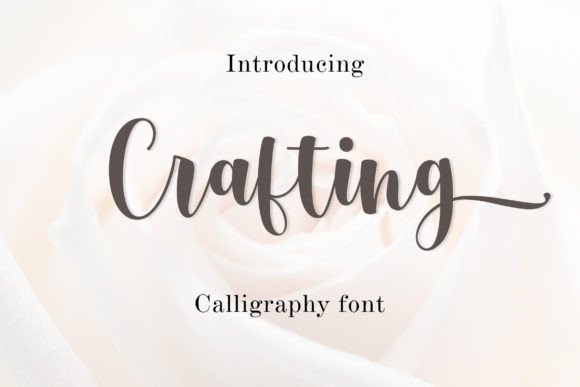
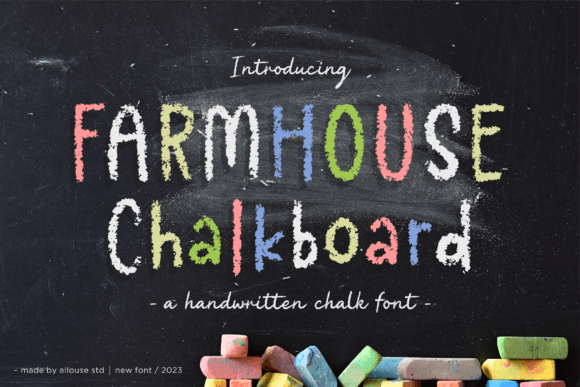
At its core, Farmhouse Chalkboard is a script font defined by its elegance. It does not carry the heavy, gritty texture of a traditional blackboard marker. Instead, it presents a clean, thin, and smooth vibe. This distinction is crucial. The strokes are delicate and consistent, mimicking the flow of high-quality chalk or perhaps a fine-tipped brush pen. This visual characteristic makes it incredibly versatile. It avoids the chaotic legibility issues often associated with handwritten fonts, ensuring that your message remains the focal point.
The personality of this typeface leans heavily into the contemporary "modern farmhouse" aesthetic—a style that blends rustic charm with minimalist modern typography. It feels approachable and personal without sacrificing sophistication. When you use Farmhouse Chalkboard, you are signaling to your audience that your brand values authenticity and attention to detail. It works beautifully as a display font, drawing the eye to headlines and focal points, but its legibility also allows for limited use in subheadings where a touch of flair is needed.
Strategic Applications for Branding and Marketing
For marketers and entrepreneurs, a font is more than decoration; it is a tool for communication. Farmhouse Chalkboard excels in environments where connection and trust are paramount. Consider its application in logo design for lifestyle brands, boutique bakeries, or wedding planners. The script nature of the font implies a personal touch, suggesting that the business cares about the individual customer experience.
In the realm of packaging design, this typeface shines. Imagine it on a label for artisanal goods—coffee, candles, or skincare products. The clean lines ensure that the product name is readable even from a distance, while the smooth curves add a layer of premium quality. It transforms a simple package into something that looks curated and intentional.
Content creators and bloggers will find this font particularly useful for social media graphics. Platforms like Instagram and Pinterest are visual-first, and a creative font like Farmhouse Chalkboard helps posts stand out in a busy feed. It is excellent for overlaying quotes, creating promotional announcements, or designing cohesive story templates. Because it is a commercial font, you also avoid the legal grey areas that come with using unlicensed free fonts for monetized content.
Mastering Font Pairings and Visual Hierarchy
One of the most practical skills in design is knowing how to pair typefaces. Farmhouse Chalkboard has a strong personality, so it requires a partner that can support it without competing for attention. A common mistake is pairing a script font with another decorative typeface. Instead, look for balance.
Pairing Farmhouse Chalkboard with a sturdy sans serif font is often a winning strategy. The geometric simplicity of a sans serif provides a modern counterpoint to the organic flow of the script. This combination creates a clear visual hierarchy, where the script draws attention to the headline, and the sans serif handles the body copy with ease.
Alternatively, pairing it with a classic serif font can evoke a timeless, editorial feel suitable for magazines or book covers. The key is to ensure enough contrast in weight and structure. Since Farmhouse Chalkboard is described as thin, you might pair it with a medium or bold weight body font to ensure the layout feels grounded.
Practical Considerations for Implementation
When integrating Farmhouse Chalkboard into your workflow, readability should be your primary concern. While it is cleaner than many scripts, it is still a display typeface. It is best suited for short bursts of text—headers, taglines, or pull quotes. Avoid using it for long paragraphs of text in web design or print, as the eye tires quickly when reading complex letterforms in bulk.
Testing is also vital. Before finalizing a design, view the font at the actual size it will be displayed. A script that looks beautiful at 72pt on a monitor might lose its definition when printed small on a business card. Ensure that the specific letters in your headline connect well, as script fonts often rely on specific character combinations to maintain their flow.
Finally, always review the licensing. As a premium font, Farmhouse Chalkboard usually comes with specific terms regarding commercial use. Ensure your license covers your intended application, whether it is for physical products, digital merchandise, or client work. Investing in the proper license is a hallmark of a professional designer and protects your business in the long run.
In conclusion, Farmhouse Chalkboard is a valuable addition to any creative’s design assets. Its ability to convey warmth, cleanliness, and style makes it a versatile choice for a wide range of projects. By using it strategically and pairing it thoughtfully, you can leverage its charm to build a stronger, more engaging visual presence.