Calistha Aesthic: Crafting Visual Stories with This Elegant Script
In a world saturated with digital noise and rigid geometric sans serifs, there is a distinct hunger for human connection. We see it in the resurgence of stationery, the rise of artisanal branding, and the desire for designs that feel personal rather than mass-produced. This is exactly where typography choices become critical. It is not just about legibility; it is about feeling. When you want to inject a project with warmth, sophistication, and an organic touch, a standard block font often falls flat. You need something that breathes. You need the fluidity and grace of a handwritten font, specifically one that balances elegance with readability.
Calistha Aesthic represents a specific evolution in modern typography. It is not merely a collection of letters; it is a carefully crafted aesthetic tool. As a premium font, it bridges the gap between casual handwriting and high-end calligraphy. It possesses a distinct personality—one that feels luxurious yet accessible. For designers, marketers, and creative professionals, understanding how to harness this script font can transform a project from looking "homemade" to looking "bespoke." It is a versatile asset that speaks the language of modern elegance, making it a standout choice for anyone serious about visual storytelling.
The Anatomy of Elegance: Understanding the Visual Style
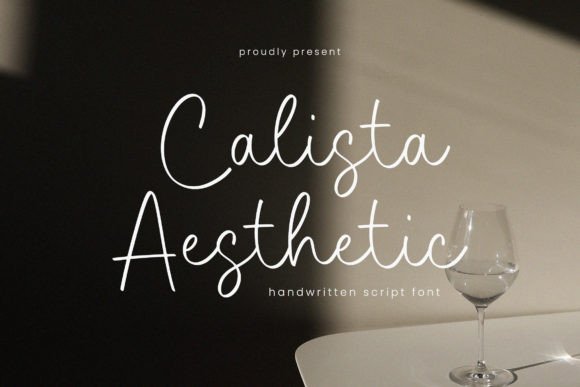
To truly appreciate Calistha Aesthic, one has to look at the nuances of its design. It is an elegant handwritten script, but that description hardly does it justice. The typeface features flowing, interconnected swashes that mimic the natural rhythm of a hand moving across paper. Unlike some older script fonts that can feel stiff or overly formal, Calistha Aesthic has a modern fluidity. The letterforms include beautiful ligatures and alternate characters that allow for customization, ensuring that repeated letters don't look identical and that the text feels genuinely hand-lettered.
The visual weight of the font is generally consistent, providing a solid foundation for headers and display text. It avoids the extreme thinness that can make some script fonts disappear on busy backgrounds. Instead, it holds its own, offering a visual presence that commands attention without shouting. The spacing between letters has been meticulously balanced to ensure the words flow naturally. This attention to detail is what separates a standard font from a high-quality design asset. It creates a rhythm in the text that guides the reader's eye smoothly from left to right, establishing a mood of sophistication and care.
Strategic Applications: Where Calistha Aesthic Shines
The true value of a typeface lies in its application. Calistha Aesthic is incredibly versatile, but it excels in specific areas where emotional resonance is key. For those in the branding and packaging design sectors, this font is a powerhouse. Imagine a skincare line or a boutique candle brand; the packaging needs to convey a sense of luxury and personal touch. Using Calistha Aesthic for the product name on a minimalist label instantly elevates the perceived value of the item. It signals to the consumer that this product is curated, artisanal, and worthy of a higher price point.
Beyond physical products, the digital landscape is equally receptive to this style. In web design and social media graphics, attention spans are short. A striking header in Calistha Aesthic can stop a user from scrolling. It adds a layer of visual interest that a standard sans serif font cannot achieve. It works beautifully for Instagram quotes, Pinterest pins, and website hero sections. However, it is crucial to use it strategically. Because it is a display font, it is best reserved for headlines, sub-headers, and call-to-action buttons rather than body copy. Pairing it with a clean, legible serif font or a simple sans serif for the body text creates a perfect visual hierarchy, ensuring the design is both beautiful and functional.
The Wedding and Event Industry
It is impossible to discuss elegant script fonts without addressing their dominance in the wedding industry. From save-the-dates to menus and seating charts, typography sets the tone for the entire event. Calistha Aesthic is perfectly suited for this environment. Its romantic and sophisticated vibe aligns perfectly with the emotions of a wedding day. It can be used to create invitations that feel like keepsakes. For graphic designers specializing in stationery, having a font like this in your toolkit is essential. It allows you to offer clients a range of styles that feel timeless and personal, moving away from the rigid templates found in mass-market invitation suites.
Design Principles: Readability, Pairing, and Hierarchy
Using a script font effectively requires a bit of discipline. One of the most common mistakes in typography is sacrificing readability for style. While Calistha Aesthic is legible for a script font, context matters. If you place it over a high-contrast image or use it at a very small size, the intricate swashes can get lost. The general rule of thumb for any creative font is to use it large. Give it space to breathe. Let the ascenders and descenders (the parts of letters like 'h' and 'g' that stick up or hang down) have room to extend without crashing into other lines of text.
Font pairing is another critical skill. You want a companion font that complements Calistha Aesthic without competing with it. A heavy, bold sans serif might clash with the delicate nature of the script. Instead, look for a light or regular weight sans serif with plenty of open spacing. Alternatively, a classic serif font can create a beautiful "old meets new" dynamic. The goal is contrast. If the headline is expressive and flowing, the body text should be structured and calm. This balance ensures that your brand identity feels cohesive. You aren't just picking fonts; you are creating a conversation between different typographic voices.
Practical Considerations for Professionals
When integrating Calistha Aesthic into your professional workflow, there are a few technical and practical elements to consider. First, always review the character map. High-quality premium fonts often include OpenType features, stylistic sets, and swashes. Knowing which alternate "t" or "s" to use can make a significant difference in the final design. Take the time to explore the full capabilities of the typeface before finalizing a logo or layout.
Secondly, licensing is a non-negotiable aspect of using commercial fonts. Ensure that the license you acquire covers your specific usage. If you are a designer creating a logo for a client, you typically need a license that permits the font to be embedded in digital files or printed on merchandise. If you are a crafter making physical goods to sell, verify that the license allows for commercial production of physical end products. Respecting these boundaries protects your business and supports the type designers who create these tools.
Finally, test your designs across different mediums. A font can look stunning on your high-resolution monitor but behave differently in print or on a mobile screen. Always print a proof of packaging designs and test web layouts on actual phones to ensure the elegance of Calistha Aesthic translates perfectly to the final user experience. This due diligence separates amateur work from professional, polished brand identity systems.