Bloody: A Typeface for Chilling Design Projects
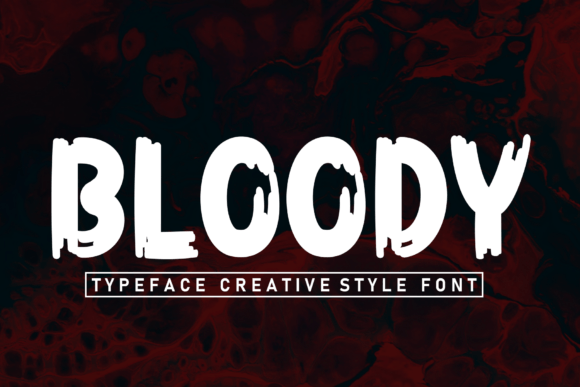
In the vast landscape of modern typography, certain typefaces whisper, while others scream. Bloody falls firmly into the latter category. This premium font is not a tool for everyday body text or corporate reports; it is a specialized design asset crafted for high-impact, atmospheric storytelling. As a haunting script and handwritten typeface, Bloody features jagged strokes and deliberate splatters that evoke a visceral sense of horror and suspense. It is the kind of creative font that immediately sets a tone, transforming a standard layout into something ominous and compelling. For designers, marketers, and creators working within the horror, gothic, or thriller genres, understanding how to wield this typeface is key to unlocking its full potential.
Visual Characteristics and Personality
The defining trait of Bloody is its raw, unfinished aesthetic. Unlike polished serif fonts or clean sans serif fonts, this script font mimics the erratic flow of ink—or something more sinister—dripping down a surface. The strokes are uneven, creating a sense of urgency and chaos. This visual texture makes it an exceptional display font, intended for headlines, logos, and focal points where atmosphere is more important than legibility at small sizes.
The personality of this typeface is inherently aggressive and dark. It does not suggest elegance in the traditional sense; rather, it suggests a gritty reality often found in graphic novels, slasher films, or psychological thrillers. When you use Bloody, you are borrowing from a visual language of suspense. The "splatters" integrated into the letterforms add a layer of tactile realism that flat, vectorized fonts often lack. This makes it a powerful tool for editorial design and packaging design where you need to grab attention instantly.
Strategic Applications: Where Bloody Shines
Knowing where to deploy a specialized typeface like Bloody is just as important as the design itself. Because it is a heavy, stylistic font, it requires context to be effective. Here is how different creative professionals can utilize this design asset:
- Halloween and Event Branding: This is the most natural fit. Bloody is perfect for haunted house flyers, Halloween party invitations, and seasonal marketing campaigns. Its aesthetic aligns perfectly with the "spooky season" vibe.
- Gothic Branding and Merchandise: For brands in the heavy metal, alternative clothing, or occult niches, Bloody can serve as a cornerstone of brand identity. It works exceptionally well on merchandise like T-shirts, hoodies, and posters.
- Book Covers and Editorial Design: In publishing, genre signaling is crucial. A thriller or horror novel cover using Bloody instantly tells the reader what to expect. It sets the mood before they read a single word of the synopsis.
- Digital and Social Media: Attention spans are short on platforms like Instagram and TikTok. A bold, handwritten font like Bloody can stop the scroll for horror-themed content creators, true crime podcasters, or gaming streamers looking to brand their overlays.
The Psychology of Fear in Typography
Typography is never neutral; it carries psychological weight. When an audience sees a typeface like Bloody, it triggers specific associations. The jagged edges and irregular spacing mimic the unpredictability of danger. This influences brand perception significantly. If you are designing a logo for a security firm, this font would be inappropriate and frightening. However, if you are designing for an escape room or a horror film festival, that same psychological trigger becomes a tool for engagement.
Visual hierarchy is another critical consideration. Because Bloody is so visually dense and textured, it demands to be the focal point. It creates an immediate hierarchy by its sheer presence. However, this strength can become a weakness if overused. A page full of Bloody text would be chaotic and unreadable. It is designed to be a hero element, supported by more subdued typography.
Practical Guidance for Implementation
Integrating a premium font like Bloody into a project requires a thoughtful approach to ensure professionalism and readability. Here are practical recommendations for working with this typeface:
- Font Pairing is Essential: Because Bloody is a complex script font, it pairs best with simple, clean typefaces. A modern sans serif font or a classic serif font with high legibility makes an excellent companion. For example, using a clean sans serif for subheadings and body text allows the "Bloody" header to pop without overwhelming the viewer.
- Readability Considerations: Never use this font for long-form body copy. The jagged strokes that give it character will cause eye strain over large blocks of text. Stick to short, punchy headlines, logos, or single-word accents.
- Color and Contrast: The "blood" effect works best with high contrast. Deep reds against black or white are classic choices, but don't be afraid to experiment with neon greens or purples for a more "toxic" or "supernatural" vibe depending on the project's specific theme.
- Licensing and Styles: Before purchasing, always review the font family. Does the commercial font license cover your intended use (e.g., print-on-demand vs. web use)? Also, check for included styles. Some versions of Bloody might include alternate characters, ligatures, or extra glyphs that can add variety to your design and prevent repetition.
Evaluating Project Fit
Finally, ask yourself if Bloody aligns with the specific goals of your project. If the goal is to convey trust and stability, look elsewhere. If the goal is to create an immersive, atmospheric experience that thrills the viewer, Bloody is an excellent choice. It is a tool for emotional design. By matching the font’s personality to the brand’s voice, you create a cohesive brand identity that resonates deeply with the target audience. In a world of safe, minimalist design choices, Bloody offers a chance to be bold, dramatic, and unforgettable.