Arsiran: The Chalky Script Font with Vintage Soul
There’s a certain magic in a font that feels both familiar and utterly unique. You know the type—it carries the warmth of a handwritten note but with a polished edge that commands attention. Arsiran is exactly that kind of typeface. It’s a chalky script font that masterfully walks the line between raw, textured charm and refined elegance. For designers, entrepreneurs, and creators looking to inject personality into their work without sacrificing professionalism, Arsiran presents a compelling and versatile solution.
Understanding the Visual Character of Arsiran
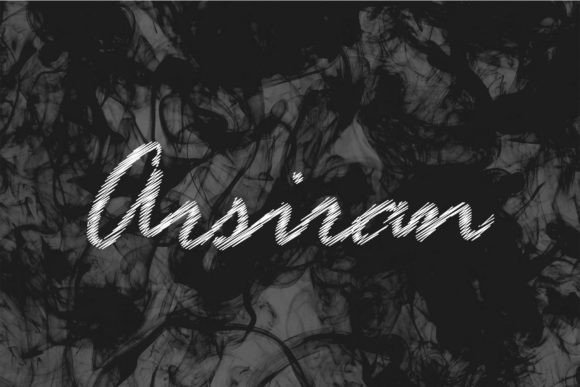
At first glance, Arsiran’s most defining trait is its textured appearance. This isn’t a smooth, digital script. Instead, it mimics the organic, slightly gritty look of chalk on a board or a pen on textured paper. This inherent “chalky” quality gives it an instant vintage appeal and a tactile, human feel. Yet, look closer, and you’ll notice its fine strokes and graceful curves. The letterforms are carefully crafted, avoiding the chaotic energy of a purely handwritten font. This balance is key—it feels approachable and authentic, but never sloppy or unprofessional.
The personality of the Arsiran font is best described as charmingly nostalgic with a modern sensibility. It doesn’t scream for attention; rather, it invites the viewer in with its warmth. This makes it an exceptional display font, perfect for headlines, logos, and short bursts of impactful text where character is paramount. It’s a script font that stands apart from overly formal calligraphy or casual doodles, occupying a sweet spot that feels both timeless and contemporary.
Where Arsiran Truly Shines: Practical Applications
The true test of any premium font is its utility across different mediums. Arsiran’s versatile nature allows it to adapt beautifully to a wide array of projects, adding a layer of sophistication and personality.
Branding and Logo Design
For logo design, Arsiran can be a game-changer, especially for brands that want to convey authenticity, craftsmanship, or a boutique feel. Think artisan bakeries, boutique hotels, independent coffee roasters, or lifestyle bloggers. It helps build a brand identity that feels personal and curated. However, it’s crucial to test its legibility at very small sizes, as the fine details may merge. Pairing it with a clean, geometric sans serif font for body copy creates a beautiful and functional contrast.
Editorial and Publishing
In editorial design, Arsiran can elevate magazine covers, chapter headings, and pull quotes. It adds a human touch to digital articles or printed materials, making the content feel more engaging. For book covers, particularly in genres like romance, memoir, or cozy mystery, it sets the perfect mood. The key is to use it strategically for titles and accents, not for long paragraphs of body text where a traditional serif font or sans serif font would ensure readability.
Marketing and Digital Presence
From social media graphics to website headers, Arsiran makes an immediate impact. Imagine an Instagram quote graphic or a Pinterest pin featuring a heartfelt message in this creative font—it instantly feels more shareable and relatable. In web design, it can be used for hero section headlines or call-to-action buttons to draw the eye. Its textured look translates well on screen, adding visual interest without overwhelming the layout.
Packaging and Physical Products
This is where Arsiran’s chalky texture truly excels. In packaging design for products like artisanal foods, handmade soaps, or craft supplies, it reinforces the product’s handmade or natural qualities. It looks fantastic on labels, tags, and box sleeves. For crafters and hobbyists, it’s a fantastic asset for creating personalized invitations, greeting cards, or custom merchandise that looks professionally designed.
Leveraging Arsiran for Maximum Impact
Choosing the right font is only half the battle; using it effectively is what creates professional results. Here’s how to get the most out of the Arsiran typeface.
Evaluating Project Fit and Readability
Always consider your primary medium and audience. Arsiran is a display font at its core. It’s brilliant for short, impactful text but will hinder readability in a 1000-word blog post. Test it thoroughly. View mockups at the size they’ll be used—whether on a mobile screen or a printed poster. Its fine strokes might need to be set in a darker color or against a very simple background to maintain clarity.
Mastering Font Pairings
A strong font pairing is essential. Arsiran’s decorative nature demands a calm, stable partner. A simple, neutral sans serif font like Montserrat or Lato provides a clean counterpoint. Alternatively, a classic, low-contrast serif font like Lora or Merriweather can create an elegant, literary feel. The goal is to let Arsiran be the star of the headline while its partner handles the supporting role with ease.
Understanding the Package and Licensing
When you acquire a commercial font like Arsiran, you’re investing in a design asset. Reputable foundries or marketplaces will provide the font files in various formats (OTF, TTF, WOFF for web), along with a commercial license. Always read the license carefully. Most licenses cover use across multiple projects for a single user or organization, but it’s vital to ensure it covers your intended use, especially for large-scale commercial products or client work. This professionalism protects you and supports the type designers who create these valuable tools.
Exploring Styles and Alternates
Many premium fonts include more than just the base characters. Check if Arsiran comes with stylistic alternates, ligatures, or swashes. These extra glyphs can add another layer of customization and flair to your designs, allowing you to tailor the text to perfectly match your vision. It’s a detail that separates good design from great design.
In the landscape of modern typography, a font like Arsiran is more than just a set of letters. It’s a tool for storytelling. Its unique blend of chalky texture and elegant form allows creators to build brand identity, enhance visual hierarchy, and foster genuine audience engagement. By understanding its strengths and applying it thoughtfully, you can transform ordinary designs into memorable experiences that resonate with authenticity and style.